

EXOSOMES: FULL POTENTIAL
How to use exosomes consciously, and how to combine them with MSCs, aesthetic therapies and other modalities
START IN MARCH | Online Educational Program | For Healthcare Professionals Only

When protocols in studies are adjusted or discontinued

What outcomes are reported, and what claims should not be made

Logic
Understand the biological logic behind exosome-related research .

Safety
Review safety, dosing, and monitoring principles reported in studies.

Pathways
Understand structured patient pathways as described in clinical literature.

Confidence
Build confidence in interpreting and discussing biological approaches in a professional medical context
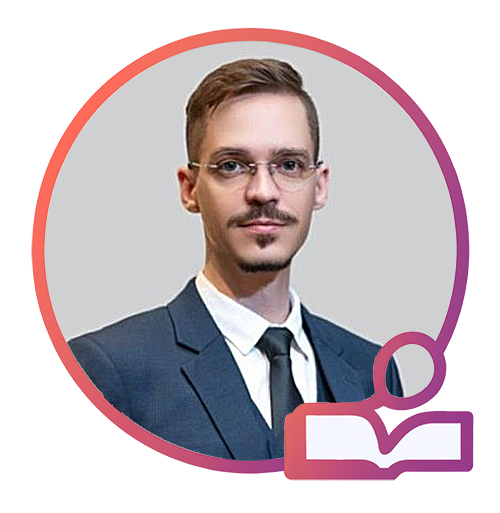
Dr. Simon Yefimov
Ukraine / Southeast Asia
More about the speaker
Regenerative medicine and wellness specialist with 8+ years of experience working in clinics across Southeast Asia.
Dr. Yefimov has served as a speaker and educator in international physician programs, including the American Academy of Anti-Aging Medicine (A4M). He focuses on integrating regenerative therapies into structured, ethical, and clinically applicable protocols for real-world practice.

Dr. Khanh Truong
Vietnam
More about the speaker
Aesthetic and clinical physician based in Vietnam with experience in dermatology and product-focused medical practice.
Dr. Khanh combines frontline patient care with physician training and clinical product demonstrations, helping bridge medical expertise with practical implementation in modern aesthetic and wellness clinics.
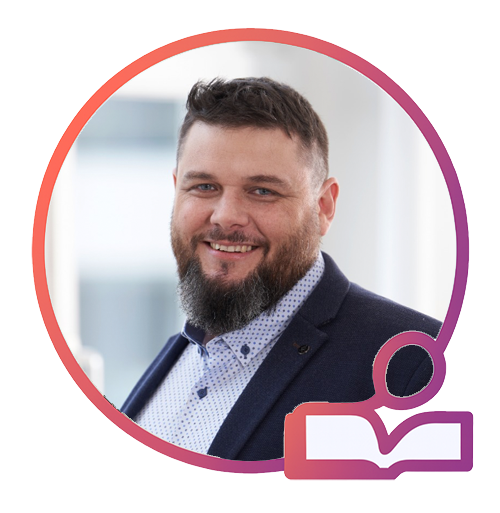
Dr. Denys Bilko, Ph.D.
Germany
More about the speaker
Biotechnology and GMP manufacturing expert, WHO consultant in Germany, and Biosecurity Advisor to Ukraine’s Ministry of Health. He bridges cell biology with real-world application — showing how stem cell science, manufacturing, and clinical evidence intersect to deliver safe, effective protocols.
| Description | Speaker | |
|---|---|---|
| MODULE 1 — The Landscape: Why Exosomes Exist at All |
Cellular biology of Mesenchymal Stem Cells-derived exosomes. Difference between in-vivo and in-vitro exosomes. What biologically active molecules are inside the exosomes when cells cultivated in-vitro and how it clinically valuable. |
Dr Simon Yefimov |
| MODULE 2 — Exosomes in Practice: Clinical Cases |
1) Pathology therapy cases Neuropathy Autoimmune diseases Metabolic dysfunction Post-COVID inflammation Neurodegenerative conditions 2) Anti-aging & vitality cases 3) Beauty & Aesthetics cases - Skin rejuvenation - Hair restoration - Post-laser / RF recovery - Microneedling + exosomes 4) Orthopedic approach |
Dr Simon Yefimov Dr Alexandr Proshkin Dr Khánh Trương |
| MODULE 3 — Manufacturing, Quality & Ethics |
- Donor selection & screening - GMP vs marketing claims - How to read COAs (CD9, CD63, CD81, sterility) - What to ignore - Ethical boundaries & legal responsibility |
Dr Denis Bilko |
| MODULE 4 — Clinical Integration & Protocol Logic |
- 6-tier protocol system - Acute vs chronic logic - Optimal dosing range - Biodistribution factors - Aesthetic delivery logic |
Dr Simon Yefimov |
| MODULE 5 — Patient Selection |
- Ideal responders vs red flags - Absolute & relative contraindications - Baseline assessments - Expectation management |
Dr Simon Yefimov |
| MODULE 6 — Combining with Other Modalities |
- MSCs, NK cells - PRP & local injections - Peptides & nutraceuticals - HBOT, ozone, photobiomodulation - Laser, RF, microneedling synergy - Other combination protocols |
Dr Simon Yefimov Dr Khánh Trương |
| MODULE 7 — Safety, Expectations & Follow-Up |
- What NOT to promise - Common clinic mistakes - Monitoring frameworks - When to adjust or stop protocols - Realistic response timelines |
Dr Simon Yefimov |
| FINAL MODULE — Case-Based Workshop |
- Applied Case Discussion Participants will work through real-world clinical cases: 1) Tier selection 2) Dose and frequency logic 3) Safety & monitoring 4) Expected outcomes - Program Completion Review |
Access
Full educational access to all program modules (video + PDF materials)
Frameworks
Case-based educational frameworks derived from published clinical research
Tools
Decision-making tools for analyzing protocol logic, dosing ranges, and monitoring considerations discussed in the literature
Templates
Downloadable templates and checklists for academic and professional review
Assessment
Certification exam upon program completion
Certificate
Official program certificate for participants who pass the assessment.
Educational content only. No medical advice or treatment instructions provided.
“Very good structure. Finally understood the logic behind dosing and why some cases don’t respond. This part was important for me.”
“Module about manufacturing and COA was eye-opening. I didn’t know what to really look at before.”
“Cases were useful. Especially to see what NOT to promise patients. This is usually missing in other courses.”
“Good balance between science and real clinical context. Easy to follow, even in English. After the course I feel more confident to discuss exosomes with patients and colleagues, without exaggeration.”
Register before 15th of March to get:
- priority access to the program
- access before public enrollment